ApoStream®
CTC Isolation & Analysis
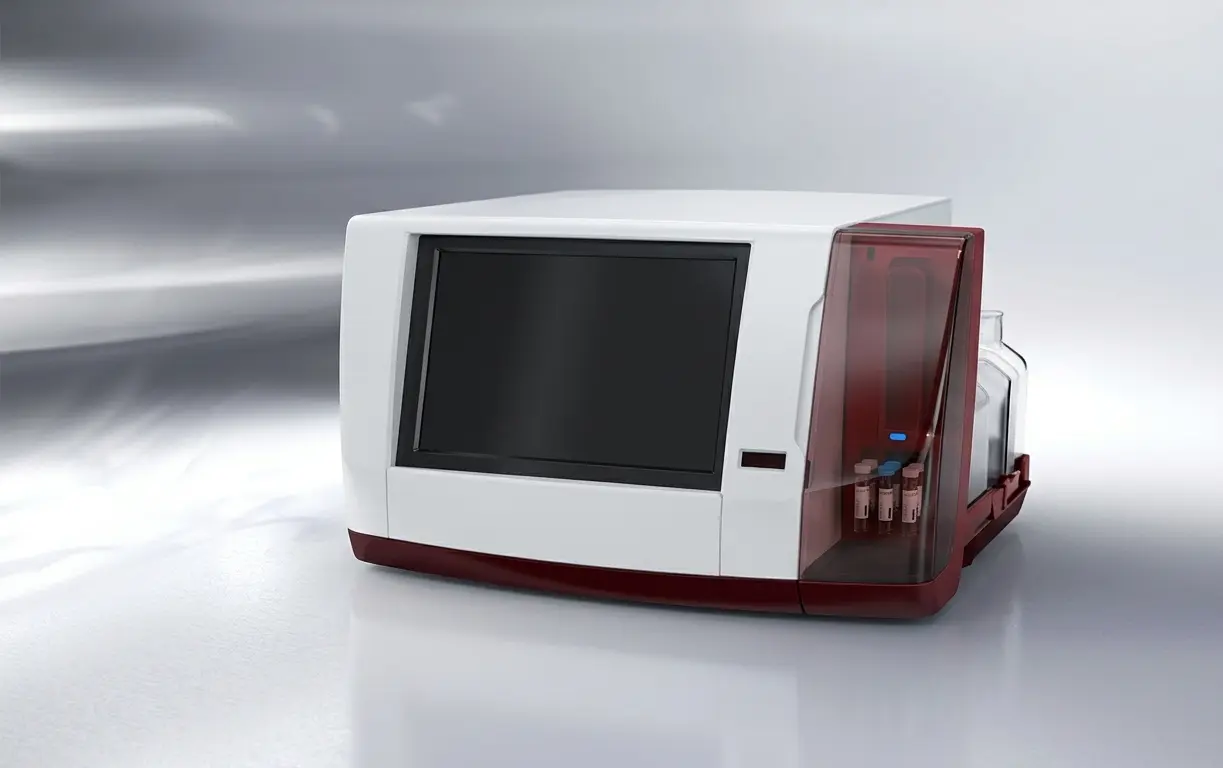
The ApoStream® platform uses continuous-flow dielectrophoresis to isolate and recover rare viable cells, including Circulating Tumor Cells (CTCs), from blood—without relying on surface markers like EpCAM.
The Science of Dielectrophoresis
ApoStream® leverages the principles of dielectrophoresis (DEP)—the movement of particles in a non-uniform electric field. Because cancer cells possess different physical and electrical properties (like membrane capacitance) compared to normal blood cells, they respond differently to the applied field.
When a blood sample is passed continuously through the ApoStream® microfluidic flow chamber, alternating current (AC) electric fields apply targeted forces that pull cancer cells toward a collection port, while normal blood cells are swept away in the waste stream.
1. Sample Introduction
Blood sample flows continuously into chamber
2. Dielectrophoretic Field
AC electric field separates cells by electrical properties
3. Viable Cell Recovery
Enriched, intact CTCs are collected for analysis

The ApoStream Advantage
Overcoming the limitations of traditional, marker-dependent CTC isolation methods.
Antibody-Independent Isolation
Recovers both EpCAM-positive and EpCAM-negative CTCs, ensuring a comprehensive capture of heterogeneous cell populations.
High Viability & Integrity
Gentle dielectrophoresis (DEP) technology preserves cell viability, making the recovered cells suitable for diverse downstream assays.
Continuous Flow Process
Efficient processing of blood samples enables high-throughput isolation with minimal manual intervention.
Versatile Downstream Applications
Enables advanced analyses including multiplex immunofluorescence, FISH, next-generation sequencing, and single-cell characterization.
ApoStream® Technology:
Advanced Capture of Circulating Tumor Cells
ApoStream® leverages positive dielectrophoresis (DEP) technology to isolate and enrich circulating tumor cells (CTCs) from blood samples with high sensitivity and viability. This innovative platform has been successfully used to capture CTCs from patients with a wide range of solid tumors, including breast, prostate, pancreatic, bladder, ovarian, lung, liver, head and neck cancers, melanoma, and sarcoma.
Following isolation, the enriched CTCs can be analyzed using advanced molecular techniques such as fluorescence in situ hybridization (FISH), next-generation sequencing (NGS), and other genomic characterization methods. These studies have demonstrated that ApoStream®-isolated CTCs retain clinically relevant genetic alterations and remain viable for downstream research applications, enabling deeper insights into tumor biology, disease progression, and therapeutic response.
Life science innovators
come to CNC Path Lab
Ready to accelerate your clinical program? Our experts are here to help you design and execute the perfect laboratory strategy. Are you ready?